

Travel Guide
A Guide to Vietnamese Tea Culture for Curious Travelers
Explore Vietnamese Tea Culture—history, rituals, regional teas, iced tea, and tasting tips. Plan immersive tea journeys with GrandViet Tour’s expert guidance.
1. Introduction: Why Vietnamese Tea Culture Captivates Travelers
From misty highlands to bustling sidewalks, Vietnamese Tea Culture is a gentle thread that ties daily life, hospitality, and heritage together. Tea welcomes guests, marks family milestones, and fuels conversations at every hour. You’ll meet tea at pagodas, weddings, markets, and modern tea houses. It’s simple, fragrant, and endlessly expressive.
Morning steam at a hilltop tea farm in northern Vietnam
Tea arrived here over a thousand years ago and took on a distinctly Vietnamese soul. Today’s travelers encounter ancient shan tuyet (snow tea) trees, lotus-infused leaves, and the informal charm of sidewalk iced tea. This guide will help you understand Vietnamese Tea Culture, where to experience it, and how to appreciate every cup.
Small cups, warm conversations—hallmarks of Vietnamese hospitality
2. A Brief History of Vietnamese Tea Culture
Archaeological and literary records show tea in Vietnam for centuries, shaped by dynastic courts, temple life, and mountain communities. Confucian, Buddhist, and local traditions mingled to form unique practices. Scholars sipped tea while composing poetry. Villagers poured it to honor ancestors and welcome neighbors.
During the Nguyen Dynasty, perfumed teas—especially lotus—became prized court offerings. In remote northern ranges, ethnic minority groups tended wild shan tuyet trees. These gnarled giants, often centuries old, still yield bold, honeyed leaves. French colonial influence introduced estates and export methods, later expanded into modern farms across the north and Central Highlands.
Shan tuyet tea—ancient trees thriving in cool mist and rich soils
Today, Vietnamese Tea Culture balances tradition with innovation: hand-perfumed lotus tea, artisan oolongs, and creative blends poured in minimalist tea bars. The spirit remains constant—tea as a bridge between people.
3. Tea Types in Vietnam and How to Enjoy Them
Vietnam grows diverse cultivars across varied altitudes and climates. Understanding styles helps you order with confidence and taste like a local.
3.1. Green Tea and Daily Life
Green tea (tra xanh) is the backbone of Vietnamese Tea Culture. Families brew it all day in kettles or thermoses. The flavor is brisk, slightly bitter, and refreshing.
-
How to drink: Rinse the leaves briefly, then pour short infusions. Use water around 75–85°C.
-
Food pairing: Sunflower seeds, sesame rice crackers, or simple sweets.
-
Where to try: Rural markets, family homestays, and street-side tea corners.
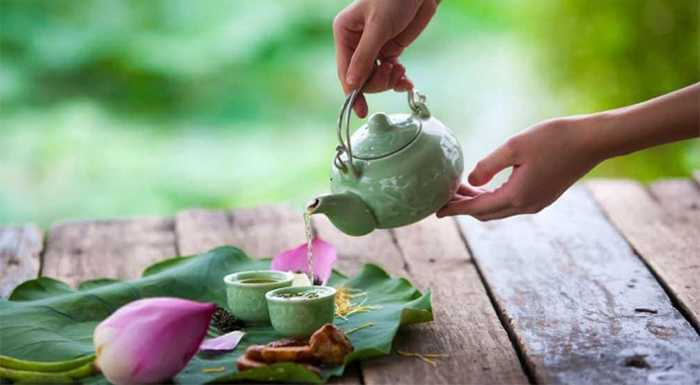
Daily green tea—humble, clean, and energizing
3.2. Lotus Tea and Fragrant Specialties
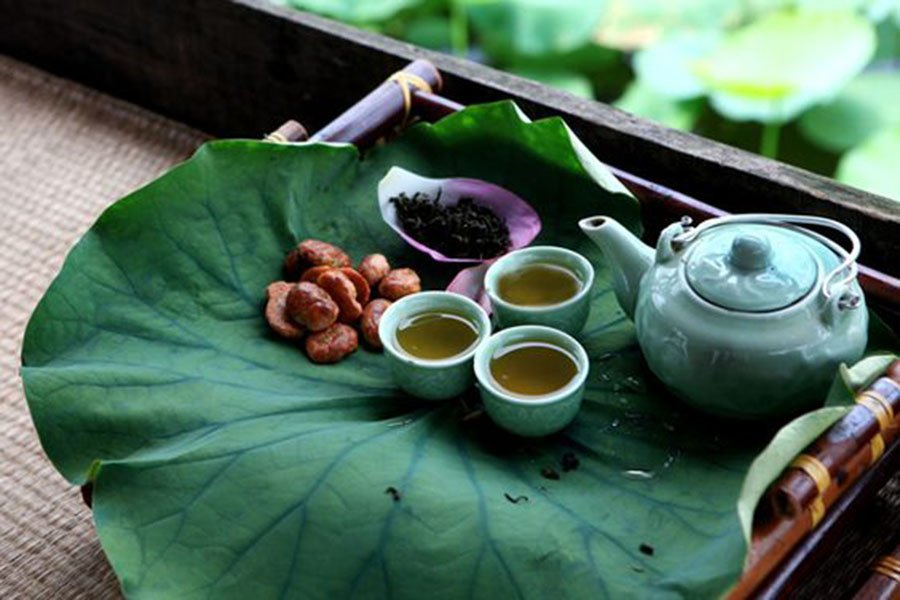
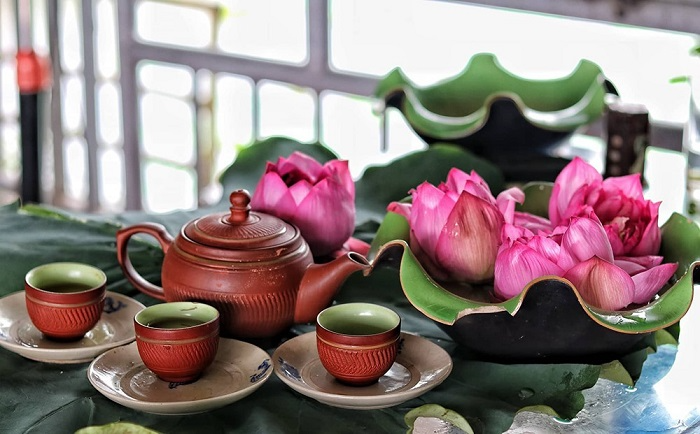
Lotus tea (tra sen) is a national treasure. Traditionally, artisans tuck tea leaves into fresh lotus blossoms overnight so the leaves absorb floral oils. The result is elegant and layered.
-
Varieties: West Lake lotus tea in Hanoi is the benchmark. Jasmine (tra lai), chrysanthemum (tra cuc), and grapefruit blossom also perfume teas.
-
Serving tip: Use small porcelain cups. Sip slowly, breathe in the aroma, and keep conversations soft.
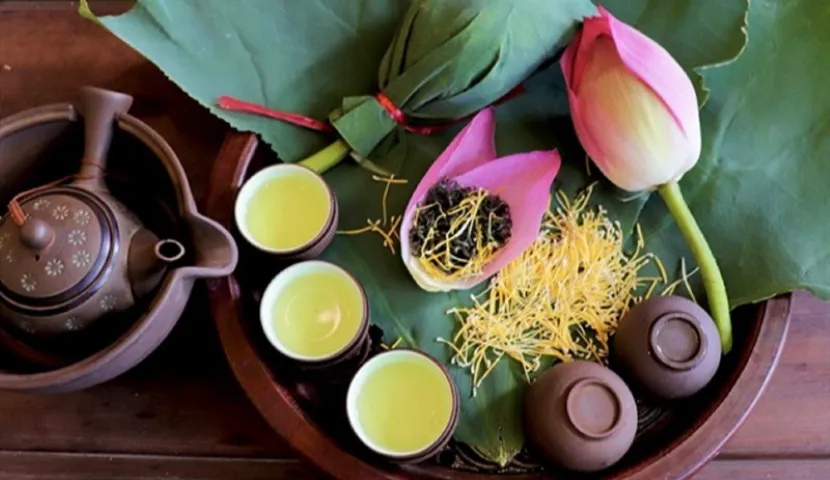
Lotus-perfumed tea—graceful notes and ceremonial charm
3.3. Oolong, Black, Herbal and Modern Styles
Oolong thrives in Lam Dong and some northern zones, offering floral, creamy, or roasted notes. Black tea shows chocolate and malt. Artisanal herbal blends feature pandan, lemongrass, ginger, and local botanicals. Modern bars experiment with cold brew, nitro, and tea-based mocktails.
-
Try: Light-oxidized oolong for florals; roasted oolong for nuts and caramel; black tea with milk for comfort.
-
Brewing: Pre-warm gaiwan or small pot; short steeps, multiple infusions.
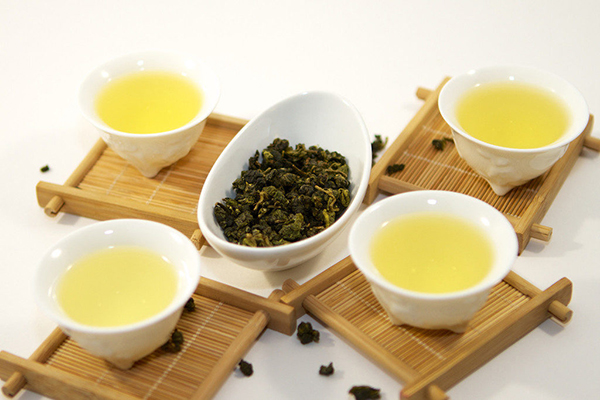
From high-mountain oolong to creative modern blends
4. Regional Tea Landscapes and Best Places to Visit
Vietnam’s tea belt arcs across northern mountains and pockets of the Central Highlands. Each region adds distinct terroir and culture to Vietnamese Tea Culture.
-
Ha Giang & Yen Bai: Wild shan tuyet forests with ancient trees and honeyed, resinous flavors. Villages welcome guests for tastings and simple meals.
-
Thai Nguyen: The country’s green-tea powerhouse. Expect vibrant color and a fresh bite.
-
Moc Chau (Son La): Rolling plateaus with oolong and green tea, cool mornings, and photogenic rows.
-
Lam Dong (Da Lat): High, misty hills for delicate oolongs and boutique estates.
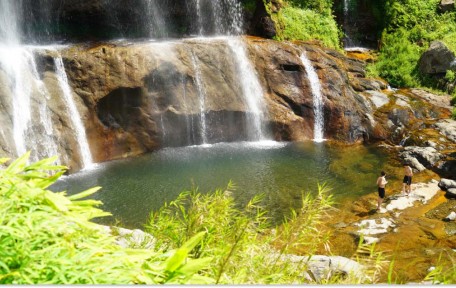
Travelers can visit farms, meet growers, and learn traditional processing. Guided routes also thread through rice terraces, ethnic markets, and waterfalls—ideal for a broader itinerary.
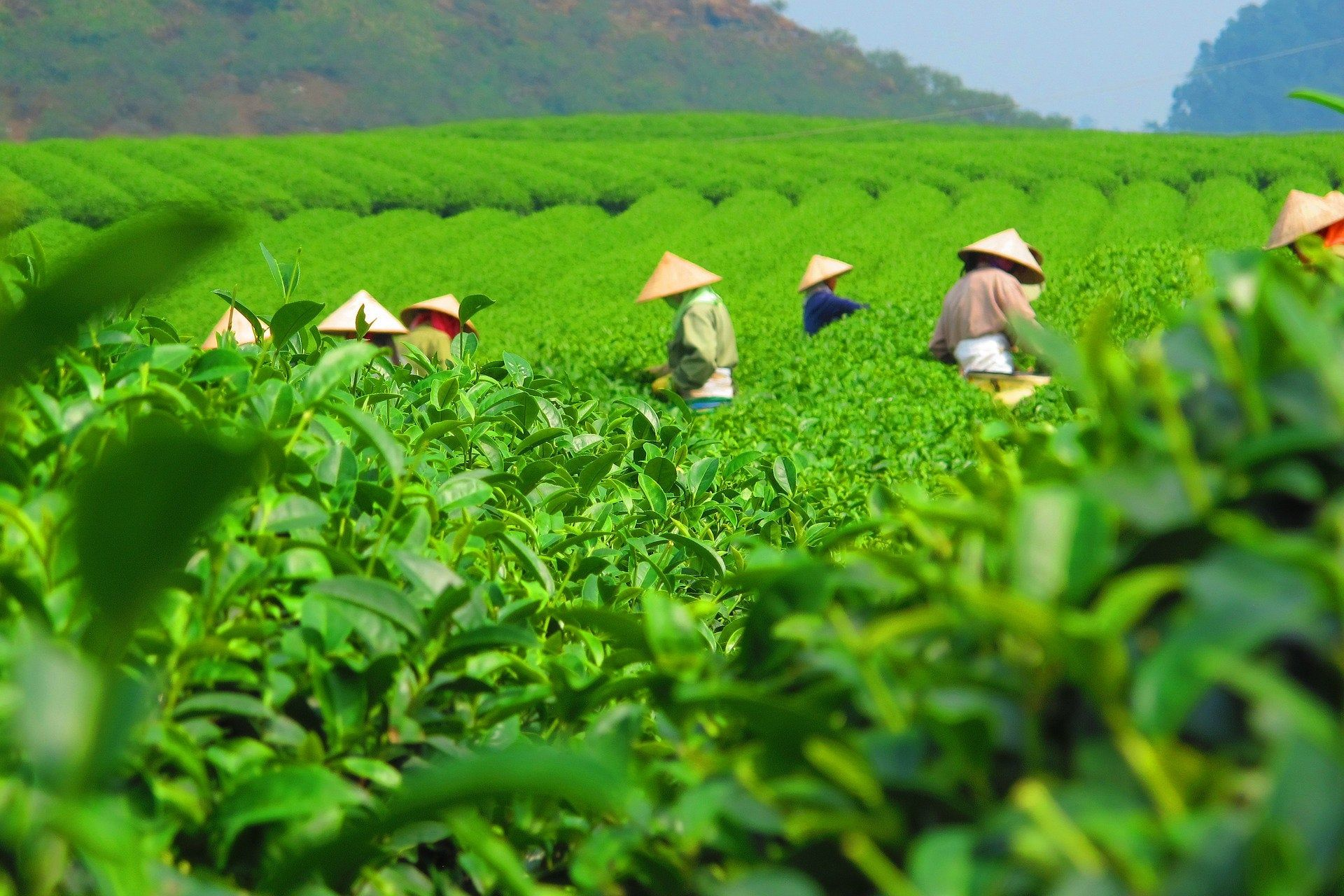
Hands-on picking and tasting elevate appreciation
5. Rituals, Etiquette, and Social Meanings
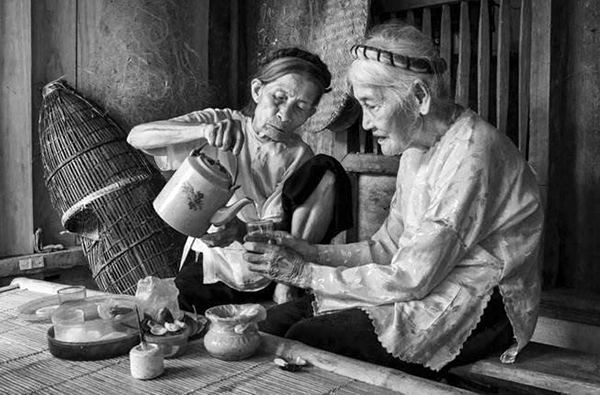
Tea is hospitality. Hosts pour for guests first and keep cups brimming with small refills. Accept with both hands as a sign of respect. On holidays and ancestor anniversaries, families present tea at home altars.
Key moments in Vietnamese Tea Culture:
-
Weddings and engagements: A tea and betel ceremony signals respect between families.
-
Pagodas and festivals: Tea accompanies quiet prayer and seasonal rituals.
-
Business meetings: Tea opens conversations and builds trust before negotiations.

At family altars and ceremonies, tea symbolizes sincerity
Tip for travelers: Keep sips small. Praise the aroma. Avoid overwhelming the cup with sugar unless offered as a local style.
6. Street-Side Iced Tea and Contemporary Tea Houses
On Hanoi sidewalks, iced tea (tra da) is a lifestyle. Plastic stools, a metal kettle, and a tub of ice—that’s all it takes to anchor an evening chat. The tea is light, crisp, and thirst-quenching.
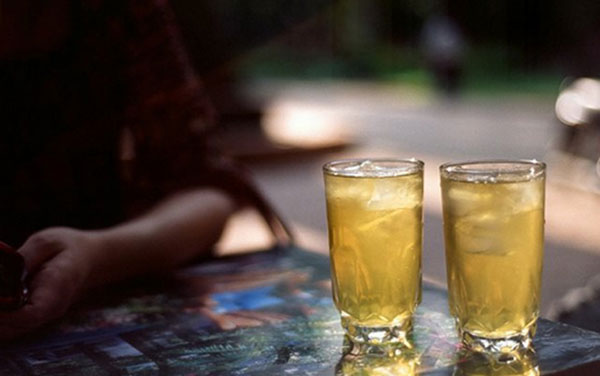
Sidewalk iced tea—simple, social, and everywhere
Contemporary tea houses reinterpret Vietnamese Tea Culture with single-origin menus, professional brewing, and curated tastings. You’ll find minimalist bars in Hanoi, Saigon, and Da Lat, alongside classic cafes pouring lotus tea in porcelain.
7. How to Taste, Buy, and Gift Vietnamese Tea
Tasting like a local means slowing down. Warm the vessels, rinse the leaves, inhale deeply, and take two or three short sips. Notice aroma, mouthfeel, and aftertaste.
-
Buying tips: Choose whole leaves with even color and fresh scent. For lotus tea, ask about natural perfuming vs. added flavoring. Seek sealed packages from reputable producers.
-
Storage: Keep away from light, heat, and strong odors. Use airtight tins.
-
Budget: Everyday green teas are very affordable. Artisan shan tuyet or lotus teas cost more but make memorable gifts.
-
Gifting: Tea symbolizes warmth and respect in Vietnamese Tea Culture. Add a handwritten note or small teaware item.
8. Travel Planning with GrandViet Tour
GrandViet Tour designs immersive tea-themed journeys that connect places, people, and flavors. With deep local knowledge and trusted partners, we arrange farm visits, hands-on workshops, and serene tastings in inspiring settings.
What we can arrange:
-
Farm tours in Thai Nguyen, Moc Chau, Ha Giang, and Lam Dong
-
Meetings with artisans who perfume lotus tea by hand
-
Street-side tea walks in Hanoi and Saigon
-
Pairings of tea with regional cuisine and seasonal festivals
9. Conclusion
Vietnamese Tea Culture offers visitors an unparalleled journey through diverse landscapes, rich cultures, and unforgettable experiences. Each destination reveals a different facet of the region's beauty and character.
Plan your Vietnamese Tea Culture adventure with GrandViet Tour to ensure authentic experiences and meaningful connections. Our local expertise helps you navigate each destination with confidence, creating memories that last a lifetime.
Across mountains, cities, and family tables, Vietnamese Tea Culture invites you to slow down and connect. Every cup carries landscape, history, and hospitality. When you’re ready to taste Vietnam’s heart—leaf by leaf—GrandViet Tour is here to guide the journey.
See more:
- Classic Places to Visit in Vietnam for First-Time Travelers
- Ha Giang Travel Guide: Loop Route, Ethnic Culture & Views
- Top Historical Sites in Vietnam Every Tourist Should Visit
- Hoi An Travel Guide: Ancient Town, Food & Tailor Tips
- Da Lat Travel Guide: Cool Weather, Nature & Things to Do
- Hue Travel Guide: Imperial Sites, Food & Local Tips
- Phu Quoc Travel Guide: Beaches, Night Markets & More
Tour Vietnam Here
10. Frequently Asked Questions
Q: What is the best season to explore tea regions in Vietnam? A: Spring and autumn bring cool, clear conditions in the north. Central Highlands estates are enjoyable year-round, with misty mornings ideal for photos.
Q: Where can I try authentic lotus tea in Hanoi? A: Around West Lake and traditional tea houses in the Old Quarter. Ask for naturally perfumed tea for the most delicate aroma.
Q: Is sidewalk iced tea safe to drink? A: Choose busy stalls with clean glassware and fresh ice. If unsure, opt for bottled or boiled water and try tea in reputable cafes.
Q: Can I visit tea farms without a guide? A: Some farms welcome walk-ins, but access, language, and timing are easier with a local guide. GrandViet Tour coordinates tastings and etiquette.
Q: What souvenirs pair well with Vietnamese tea? A: Porcelain cups, small clay pots, bamboo tea trays, and airtight tins. Add lotus or shan tuyet tea for a meaningful gift.
Q: How many times can I re‑infuse Vietnamese oolong or green tea? A: Often 4–6 short infusions for oolong and 2–3 for most green teas, depending on leaf quality and water temperature.
Other articles




© GrandViet Tour Co., Ltd. - International Tour Operator Licence 01-217/TCDL-GPLHQT.
Copyright © 2006 - 2020. All Rights Reserved.